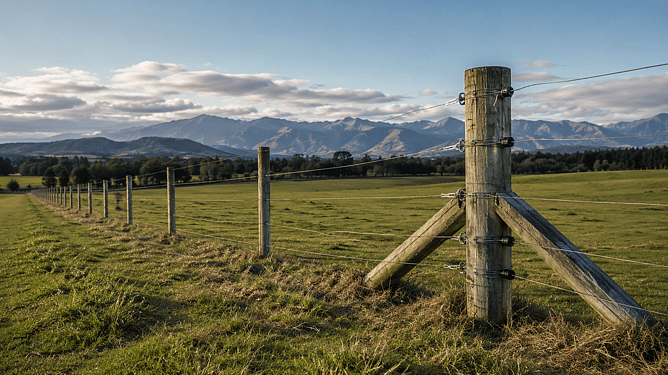
A fence can look perfectly solid — until the post carrying the tension gives way. Businesses can be the same. Most have at least one person holding more knowledge, relationships and day-to-day know-how than anyone quite realises. The person who knows exactly how everything works. They know the history behind the customer relationship, where that obscure document is filed, how the payroll process works, which paddock needs attention first, how the stock records are kept, when the key seasonal jobs need to happen — and the little workarounds nobody has ever written down.
Often, they’re incredibly valuable. They can also represent a surprisingly significant business risk.
We tend to think about succession planning when someone is approaching retirement or has signalled they intend to leave. But by then, there can be an enormous amount of knowledge to transfer in a relatively short space of time.
A better question to ask now is: “If one of our key people unexpectedly wasn’t available tomorrow, what would become difficult?”
Start with the knowledge Think beyond their formal job description. What do they know that nobody else knows? What relationships do they hold? What processes rely entirely on them? What passwords, systems, contacts or routines sit largely in their head? And what decisions are others reluctant or unable to make without them?
Then reduce the dependency This isn’t about making good people less important. It’s about making the business more resilient. That might mean:
documenting key processes;
making sure important information is stored somewhere accessible;
cross training another team member;
involving someone else in key supplier or customer relationships;
delegating responsibilities earlier;
allowing developing team members to sit in on meetings or decisions they will one day need to make;
making sure more than one person knows how key on-farm systems, routines and seasonal tasks work; or
deliberately building capability one level below your key roles.
There is another upside too. When all the knowledge and decision-making sits with one person, that person can become trapped by their own importance. They find it hard to take leave, step into a bigger role or eventually exit because nobody else is ready. Sharing knowledge and developing capability creates options — for the business and for the individual.
Succession planning doesn’t need to mean having somebody ready to take over tomorrow. But every good business should be gradually making sure that, if tomorrow arrived unexpectedly, they wouldn’t be starting from scratch.


